
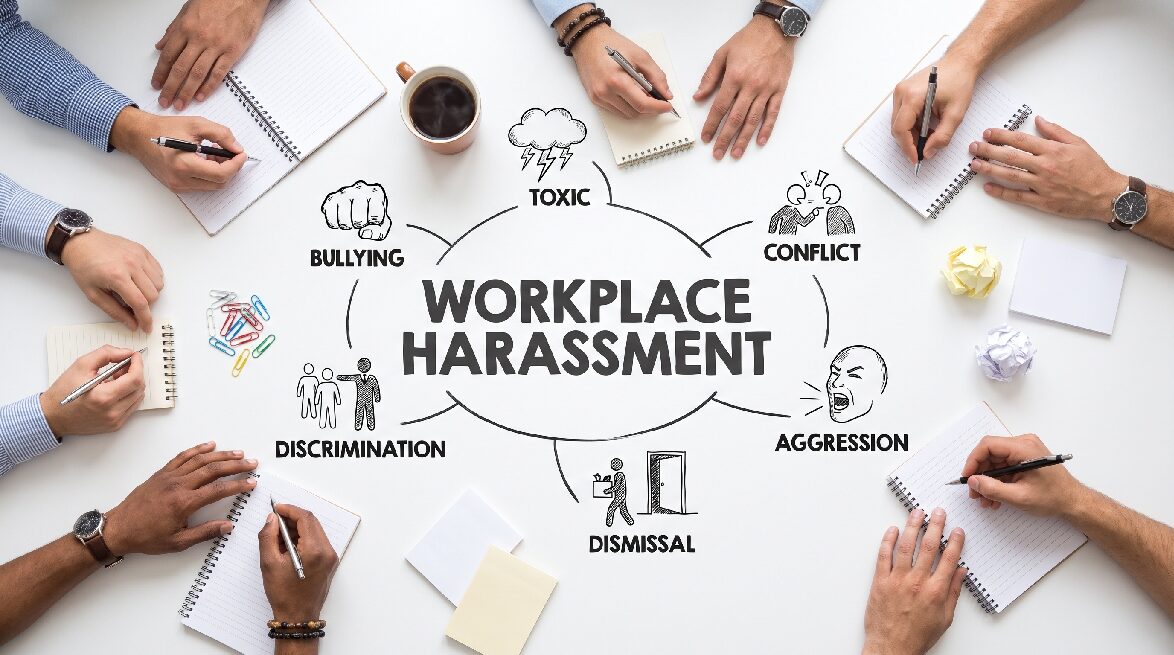
If your staff deal with customers, clients or members of the public, the changes to harassment law affect your business directly. From 30 October 2026, the Employment Rights Act 2025 strengthens what employers must do to protect their employees.
Two changes now apply in England, Wales and Scotland: employers must take all reasonable steps to prevent sexual harassment, and they can be liable for harassment by third parties where they have failed to take all reasonable steps to prevent it.
Put simply, a policy on file is only part of the answer. You need to consider the risks your staff face, take practical steps to reduce them and keep a record of what you have done.
What has changed
The duty to prevent sexual harassment previously required employers to take “reasonable steps”. It now requires “all reasonable steps”. That means considering and taking every step that is reasonable for your organisation, rather than choosing a few measures and leaving it there.
The Act also introduces liability for harassment by third parties in the course of employment. A third party could be a customer, client, service user, contractor or someone attending an event. The conduct can happen in person or online. This protection extends beyond sexual harassment to other harassment covered by the Equality Act 2010.
An employer does not become liable simply because an incident happens. The question is whether it failed to take all reasonable steps to prevent the third party from harassing the employee.
Why this matters to business owners
For businesses in hospitality, retail, professional services and other customer-facing sectors, dealing with difficult behaviour may be a familiar part of the working day. Harassment should not be accepted as part of the job.
A member of staff may report repeated harassment by a customer. If the business records the complaint but lets the same situation continue without considering further protection, the paperwork alone will not show that it took all reasonable steps.
The practical question for owners and managers is straightforward: where are your staff exposed, and what reasonable action can you take before another incident occurs?
What all reasonable steps means for your business
There is no single checklist that will suit every employer. The measures that are reasonable will depend on your size, sector, resources and the risks involved in the work.
For some businesses, clear customer standards, effective reporting routes and manager training will be central. Others may also need to consider staffing levels, lone working arrangements, security support or personal alarms. Record why particular measures are not reasonable for your circumstances and review that decision when the risks change.
What employers should do now
- Assess the risks. Look at who your staff meet, where and when they work, and whether previous incidents reveal a pattern. Include online contact as well as face-to-face work.
- Review policies and reporting routes. Make sure your harassment policy covers third parties and that staff know how to report concerns, including concerns about a manager. Explain who will respond and how reports will be escalated.
- Train managers and staff. Give people practical guidance relevant to their roles. Managers need to know how to respond to reports and when further action is needed. Some teams may need training in handling confrontations safely.
- Set clear expectations for customers and clients. Review relevant terms, booking conditions and communications. Explain the standards of behaviour you expect and the action you may take if someone harasses your staff.
- Act on reports and keep records. Record incidents, investigate appropriately and document the steps taken. Review recurring problems so that each report informs your prevention measures.
- Check that the measures work. Review training, reporting arrangements and risk assessments regularly. A policy that staff cannot use, or training that managers have forgotten, offers limited practical protection.
How PJS Advisory can help
PJS Advisory can support you with reviewing workplace policies, reporting procedures and contractual terms, and with managing grievances or disputes arising from harassment concerns. The starting point is understanding the risks in your business and identifying practical measures to address them.
PJS is a trading name of PJS Business & Advisory Ltd, which is not a firm of solicitors and is not regulated by the Solicitors Regulation Authority. This article provides general information and should not be relied on as legal advice. For support with workplace policies, employment contracts or employment disputes, contact PJS.
